
How to Transition to Barefoot Shoes Without Pain
This post may contain affiliate links, meaning I may earn a small commission if you choose to purchase through them—at no extra cost to you. I only share tools and products that I genuinely believe can support your movement and overall health.
Switching to barefoot shoes can be one of the best things you do for your feet—but it’s important to understand that it’s a process. If you’ve spent years wearing traditional shoes with cushioning, arch support, and narrow toe boxes, your feet have likely adapted to that environment.
Barefoot shoes allow your feet to move more naturally, but without a gradual transition, you may experience discomfort. The goal is to build strength over time, not rush the process.
Why Transitioning Matters
Traditional shoes often limit how your feet move and absorb impact for you. When you switch to barefoot shoes, your feet and lower legs take on more of that work. This can be a good thing—but only if your body is ready for it.
A proper transition helps:
build foot strength
improve stability
reduce the risk of pain or injury
Start Slow
One of the most important parts of transitioning is starting gradually. Instead of wearing barefoot shoes all day right away, begin by using them for short periods of time.
You might start with:
short walks
light workouts
wearing them around the house
As your feet adapt, you can slowly increase how often you wear them.
Choose the Right Beginner Shoe
If you’re new to barefoot shoes, look for something that feels stable and supportive while still allowing natural movement.

A great beginner option is WHITIN, which is affordable and slightly more structured—making it easier to transition from traditional shoes.
If you want something more durable for workouts and everyday wear, Xero Shoes are a solid option. They still allow natural movement but feel a bit sturdier, which many people prefer when starting out.

For a more premium barefoot experience, Vivobarefoot offers highly flexible, lightweight shoes that promote natural foot function. These are great once you’ve built some foot strength and want a more minimal feel.

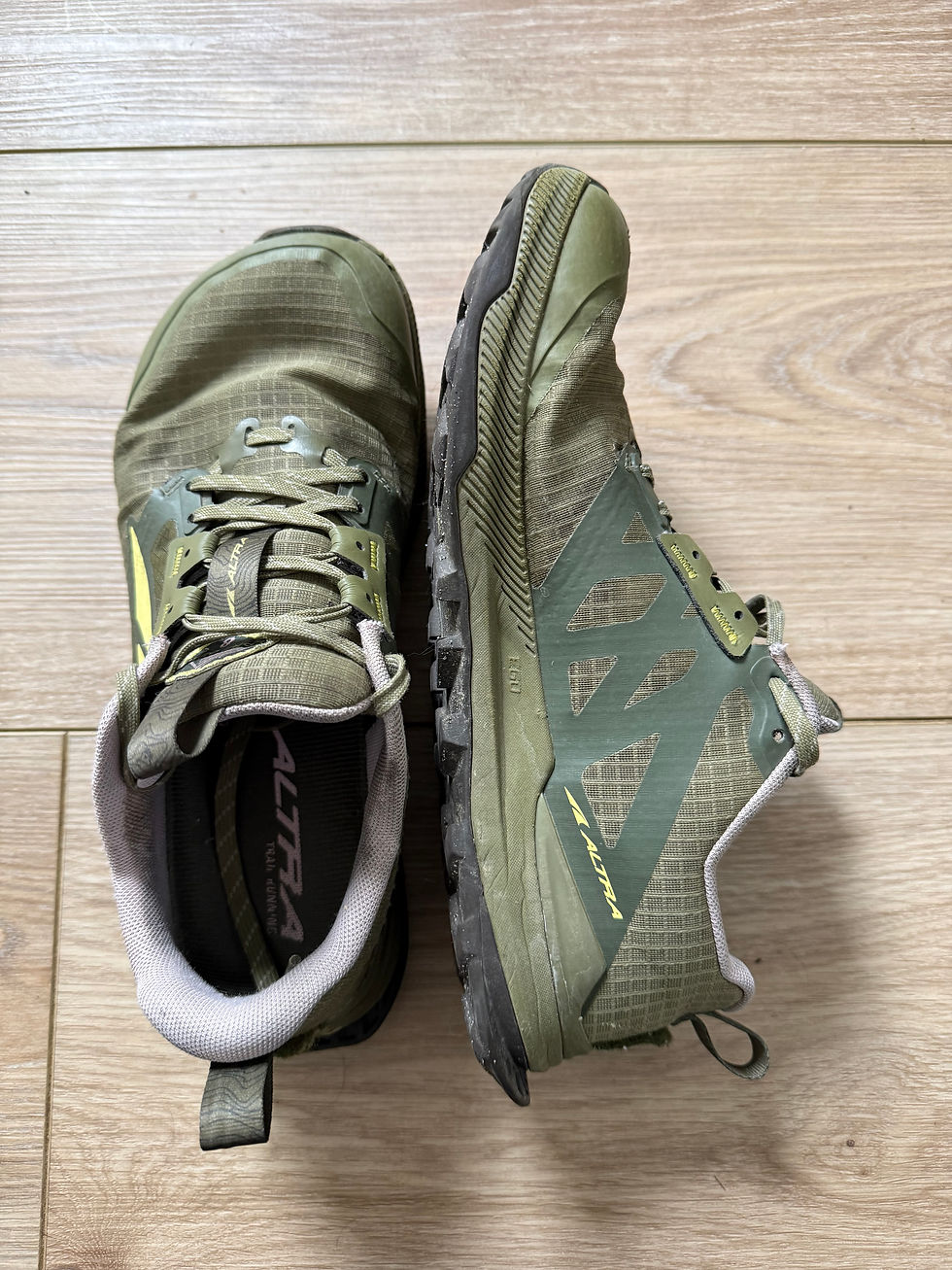
If you’re not ready to go fully barefoot yet, Altra is a great transition option. They offer a wide toe box and zero-drop design, but with more cushioning—making them a comfortable middle ground between traditional and barefoot shoes.
Foot Strength Exercises for a Smooth Transition
Strengthening your feet is one of the most important parts of transitioning to barefoot shoes. These simple exercises can help build strength, improve control, and reduce the risk of discomfort.
Toe Spreads
• Sit or stand with your feet flat on the ground
• Actively spread your toes apart as wide as you can
• Hold for a few seconds, then relax
• Repeat for 8–10 reps
This helps wake up the small muscles in your feet that are often underused.
Short Foot Holds
• Stand with your foot flat on the ground
• Gently pull the arch up without curling your toes
• Hold the contraction for 5–10 seconds
• Relax and repeat for 8–10 reps
This builds strength in the arch and improves foot stability.
Single-Leg Balance
• Stand on one foot, keeping your posture upright
• Hold for 20–30 seconds
• To progress, close your eyes or stand on an uneven surface
This improves stability and proprioception in the foot and ankle.
Calf Raises
• Stand with feet hip-width apart
• Slowly raise your heels off the ground
• Lower back down with control
• Perform 10–15 reps
This strengthens the calves and supports how your foot absorbs force.
Expect Some Discomfort (But Not Pain)
As your feet begin to work differently, you may notice:
mild soreness
fatigue in your feet or calves
increased awareness of your movement
This is normal.
However, sharp pain or ongoing discomfort is a sign to slow down and give your body more time to adapt.
Be Mindful of Your Movement
Barefoot shoes change how you interact with the ground. Many people naturally begin to:
land softer
use better foot control
move with more awareness
Paying attention to how you move can make the transition smoother and more effective.
Final Thoughts
Barefoot shoes can be a powerful tool for improving foot strength and overall movement—but they work best when you give your body time to adapt.
Start slow, stay consistent, and focus on building strength along the way.
Over time, your feet will become stronger, more stable, and better able to support you in everything you do.


Comments